Trading Stability: A System, Not a Single Event

TradeLink is driving a new era in cryptocurrency trading by prioritizing transparency, investor empowerment, and community engagement. With TradeLink Passport, we help make informed decisions regarding trading strategies, while our TradeLink Marketplace is set to become a hub for vetted, successful strategies. Join us as we democratize crypto trading and build a community where everyone can learn and prosper.
In software engineering, one clean commit doesn’t define project stability—it’s the accumulation of consistent practices. Trading works the same way. Stability isn’t born from one lucky trade but from a system of habits and disciplined execution.
For crypto markets, where volatility and emotional pressure are extreme, traders who treat their process like an iterative system are the ones who endure.
Habits as the Core Framework

Daily actions set the trajectory for long-term results. Much like following coding standards, structured routines reduce randomness. Key habits include:
Session planning: define key levels and scenarios
Risk control: set fixed loss limits
Trading journal: document decisions and outcomes
Routine: balance analysis, execution, and downtime
Lifestyle: proper sleep, exercise, and breaks
Why Journals Work Like Version Control
A trading journal functions like Git history—it records context behind decisions. Tracking setup, stop level, emotions, and results exposes recurring errors.
Many traders now supplement their notes with secure trading analytics, gaining objective metrics such as drawdowns, win–loss ratios, and risk/reward stability. Much like CI/CD pipelines, this removes bias and provides verifiable performance data for continuous improvement.
Risk Management as a Built-In Constraint
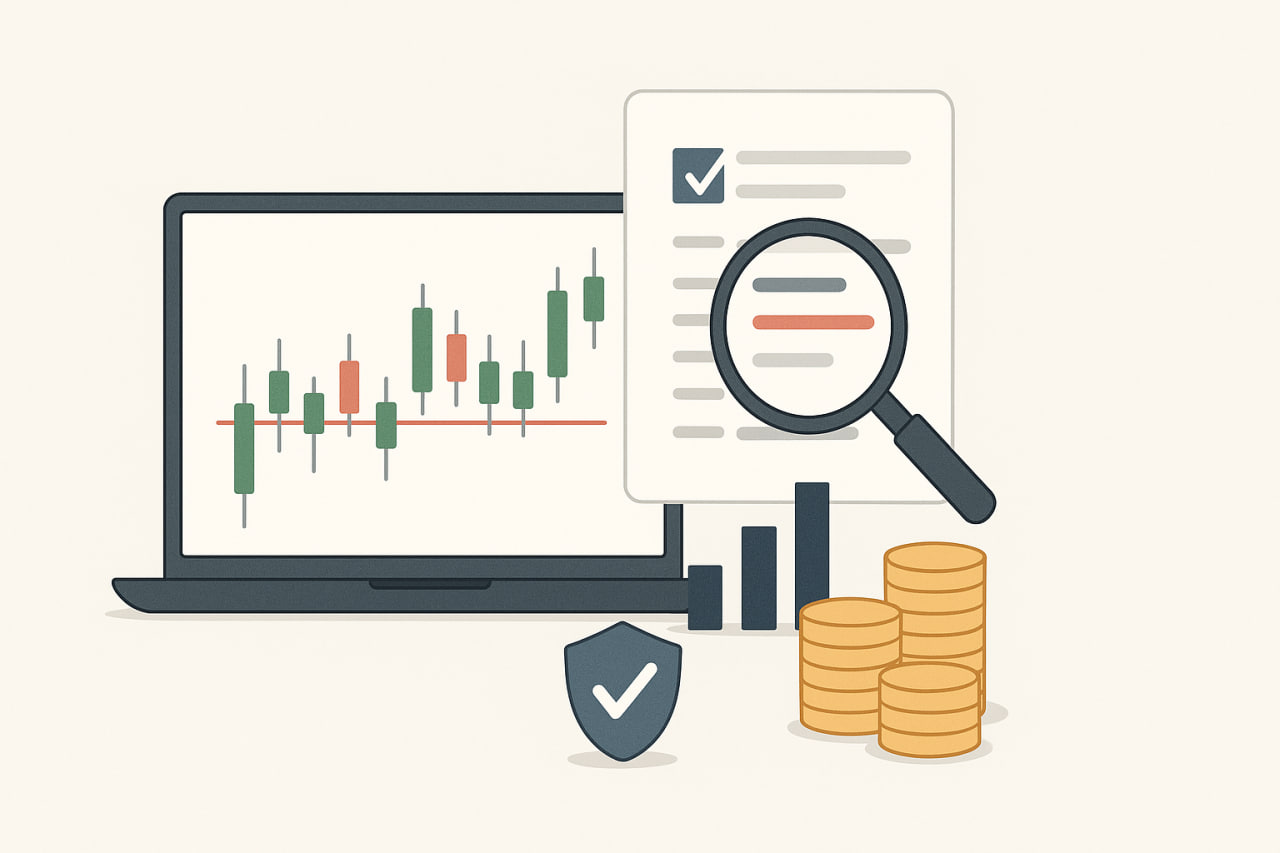
Capital preservation works like defensive coding. Professionals rarely risk more than 1–2% per trade. Core rules:
Stop orders: set early, never widened
Risk/reward ratio: minimum 1:2
Daily drawdown limit: trading pauses once hit
Position sizing: calculated, not “gut feel”
This ensures strategies remain viable, even under extreme volatility.
Discipline, Psychology, and System Design
Markets stress-test human behaviour, just as production environments stress-test systems. Greed and fear lead to overtrading; discipline fosters consistency. Effective habits include:
Checklists before execution
Pauses after losses
Focus on data over emotion
Strict adherence to tested setups
Patience and consistency often outperform constant activity.
Final Thoughts
In trading—as in tech—resilience is built through systems, not sporadic wins. Research and community data confirm that systematic risk management, disciplined routines, and gradual habit formation keep traders in the game.
Capital preservation is the foundation. Growth is simply the byproduct of well-managed processes.


